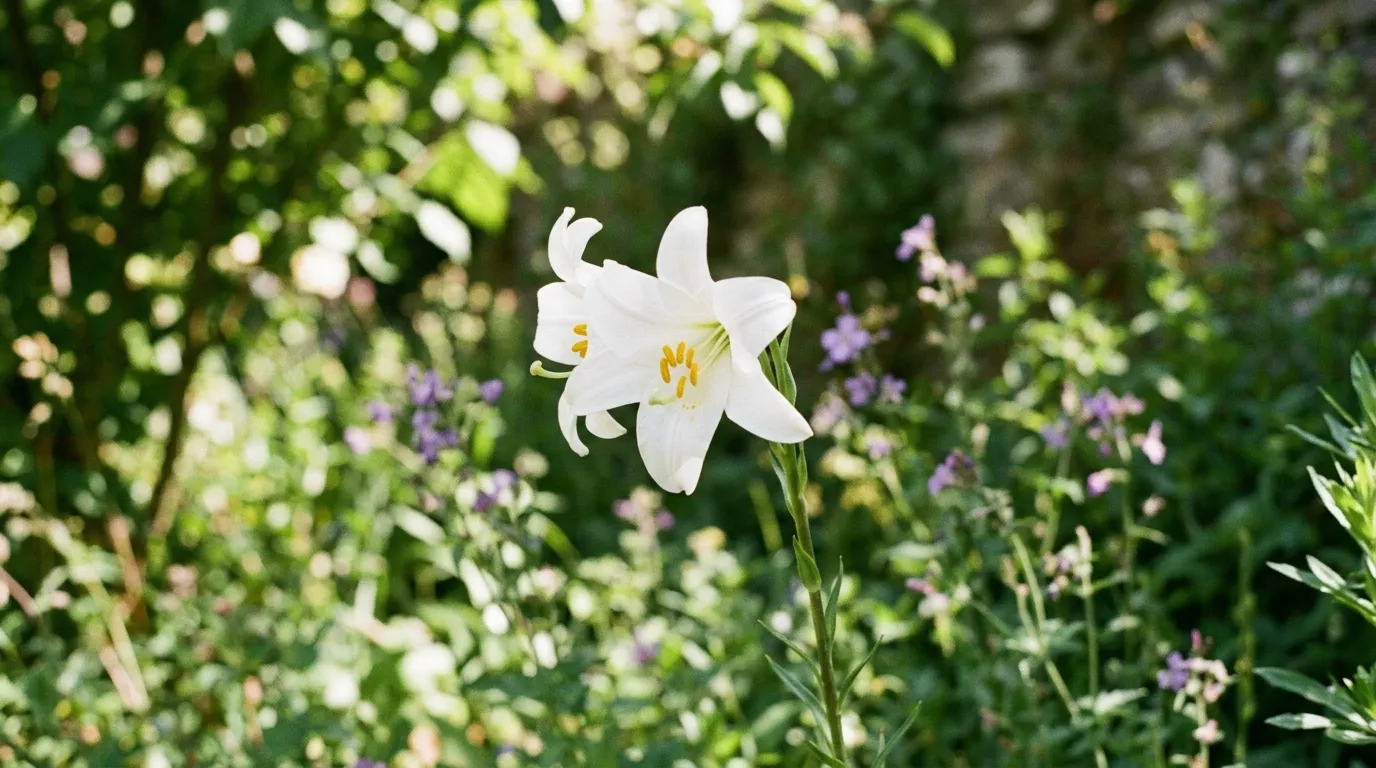
The lily is one of the most beautiful and spiritually rich flowers mentioned in the Bible. From the Song of Solomon to the teachings of Jesus Christ, this delicate bloom carries profound meaning that has inspired believers for thousands of years.
In Scripture, the lily is far more than a simple flower it represents divine purity, unwavering grace, and the promise of spiritual renewal through faith.
When Jesus spoke of the lilies of the field in Matthew 6:28, He invited humanity to reflect on God’s magnificent provision and care.
Throughout the Old and New Testaments, the lily appears as a sacred symbol, pointing souls toward holiness, resurrection, and God’s eternal love.
Whether you are deepening your faith or exploring biblical symbolism, understanding the lily’s meaning opens a window into the heart of Scripture revealing timeless truths that still speak powerfully today.
What Does Lily Mean in the Bible?
In the Bible, the lily symbolizes purity, beauty, spiritual renewal, peace, faith, and God’s loving care. Lilies are often connected with innocence, trust in God, emotional healing, and inner spiritual growth. Jesus Himself used lilies as an example of how God lovingly provides and cares for creation.
The biblical meaning of the lily reflects themes such as:
- purity of heart
- spiritual beauty
- hope after hardship
- emotional renewal
- trust in God
- peaceful faith
- grace and gentleness
Does Lily Appear in the Bible?
Yes, lilies appear several times throughout the Bible, especially in poetic and symbolic passages.
Some of the most famous references include:
- the teachings of Jesus in the Gospel of Matthew
- the poetic imagery in Song of Solomon
- symbolic decorations in Solomon’s Temple
The lily was admired in biblical culture because of its delicate beauty and natural elegance.
Hebrew and Greek Origin of Lily in the Bible
Hebrew Origin of Lily
The Hebrew word commonly translated as “lily” is:
Shoshannah (שׁוֹשַׁנָּה)
This word is associated with:
- beauty
- grace
- purity
- joy
- blooming life
Interestingly, the name Susanna also comes from this Hebrew root and carries the same lily symbolism.
Greek Connections
In Greek biblical culture, flowers often symbolized:
- spiritual flourishing
- temporary earthly beauty
- divine creation
- renewal of life
Although the exact Greek word for lily varies by context, the spiritual symbolism remains closely connected to beauty, innocence, and trust in God.
Spiritual Meaning of Lily in the Bible
Lily Symbolizes Purity and Innocence
One of the strongest biblical meanings of the lily is purity.
The flower’s clean appearance and soft beauty made it a symbol of innocence and spiritual cleanliness.
Jesus often emphasized inner purity rather than outward appearance.
“Blessed are the pure in heart, for they shall see God.” — Matthew 5:8
This verse connects beautifully with the symbolism of the lily because true purity begins inside the heart.
Spiritually, the lily reminds people to:
- pursue honesty
- protect inner peace
- live with sincerity
- avoid bitterness and hatred
Purity in the Bible does not mean perfection. It means having a heart that continually seeks truth, humility, and love.
Lily Represents God’s Care and Provision
One of the most famous biblical references to lilies comes directly from Jesus.
“Consider the lilies of the field, how they grow; they neither toil nor spin.” — Matthew 6:28
Jesus used lilies to teach people about trust.
Many people today live trapped in:
- anxiety
- fear about the future
- financial stress
- emotional pressure
- constant overthinking
The lily symbolizes peaceful trust in God’s provision.
The deeper message is not laziness or avoiding responsibility. Instead, it reminds people that worry alone cannot control life.
Spiritually, the lily teaches:
- trust over fear
- peace over panic
- faith during uncertainty
- calmness in difficult seasons
Lily Reflects Spiritual Beauty and Inner Growth
The Bible often uses flowers as symbols of spiritual flourishing.
The lily represents a beauty that grows naturally from healthy roots.
“The righteous will flourish like a palm tree.” — Psalm 92:12
In spiritual terms, flourishing means growing emotionally, mentally, and spiritually in healthy ways.
A lily does not force itself to bloom. It grows gradually with nourishment, sunlight, and time.
That symbolism matters deeply in modern life because many people feel pressured to:
- achieve quickly
- compare themselves constantly
- prove their worth
- hide emotional struggles
The lily reminds us that healthy growth takes time.
Lily Symbolizes Renewal After Difficult Seasons
Flowers bloom after harsh conditions, which gives the lily strong symbolism of renewal and restoration.
Many people searching for the biblical meaning of the lily are quietly walking through painful seasons such as:
- heartbreak
- grief
- emotional exhaustion
- loneliness
- disappointment
- spiritual emptiness
The lily becomes a reminder that beauty can emerge after pain.
“Weeping may stay for the night, but rejoicing comes in the morning.” — Psalm 30:5
This verse reflects the emotional hope connected to the lily.
Even after emotional winters, growth can return.
Lily Represents Love, Grace, and Gentle Strength
In the Song of Solomon, lilies are associated with love and beauty.
“Like a lily among thorns is my beloved among the young women.” — Song of Solomon 2:2
This imagery symbolizes:
- grace in difficult environments
- beauty surrounded by hardship
- gentleness without weakness
- love that remains pure
The lily reminds people that softness is not weakness.
Gentleness, compassion, and emotional wisdom often require tremendous strength.
Lily Meaning in Modern Life
The spiritual symbolism of the lily still feels incredibly relevant today.
Modern life often creates emotional pressure through:
- social media comparison
- identity confusion
- relationship struggles
- burnout
- fear of failure
- emotional disconnection
Because of this, people naturally feel drawn toward symbols of peace, purity, and healing.
The lily emotionally resonates with people seeking:
- calmness
- self-worth
- emotional healing
- spiritual grounding
- healthier relationships
- inner peace
Lily and Anxiety: A Spiritual Perspective
Many anxious people constantly feel mentally overwhelmed.
Their minds race with:
- “What if?”
- fear of rejection
- fear of failure
- uncertainty about the future
The biblical symbolism of the lily speaks directly against constant worry.
Jesus pointed to lilies as examples of peaceful trust.
This does not mean ignoring problems. It means learning not to let fear completely control the heart.
The lily reminds people to slow down and reconnect with peace.
Lily and Identity Confusion
Many people struggle with identity in today’s world.
Questions like these have become extremely common:
- Who am I really?
- Am I enough?
- Why do I feel disconnected?
- What gives life meaning?
The lily symbolizes worth that already exists naturally.
A flower does not compete to prove its beauty.
Spiritually, the lily teaches:
- your worth is not based only on achievement
- identity grows from within
- healing matters more than pretending
- peace is more valuable than constant approval
Lily and Relationships
The lily’s symbolism also applies to relationships.
Healthy love should encourage:
- peace
- emotional safety
- honesty
- patience
- gentleness
- mutual growth
Toxic relationships often destroy emotional peace and self-worth.
The lily reminds people to protect relationships that nurture emotional and spiritual health.
Dreams About Lilies: Spiritual and Psychological Meaning
Many people dream about flowers during emotional or spiritual transitions.
Dreaming about lilies can symbolize:
- healing
- emotional peace
- spiritual renewal
- innocence
- hope
- a fresh beginning
White lilies especially are often connected to purity, emotional cleansing, and peace.
Psychological Interpretation of Lily Dreams
Psychologically, dreams use symbols to process emotions and experiences.
The subconscious mind may use lilies because the flower is associated with:
- calmness
- beauty
- healing
- emotional safety
- renewal
Dreams about lilies often appear during periods of:
- grief recovery
- emotional transformation
- spiritual reflection
- identity growth
Repeated Signs and Synchronicity Involving Lilies
Some people repeatedly notice lilies in unexpected ways:
- in dreams
- online
- in conversations
- during emotional moments
- after prayer or reflection
This can feel spiritually meaningful.
However, maintaining balance is important.
Not every repeated symbol is automatically a supernatural sign.
Sometimes the brain notices patterns more frequently once they become emotionally important.
This is known as the Frequency Illusion or Baader-Meinhof Effect.
Still, symbols can hold personal meaning if they inspire:
- reflection
- healing
- hope
- emotional awareness
- spiritual growth
Scientific Insights Behind the Symbolism of Lilies
Emotional Symbolism and the Brain
Humans naturally connect symbols with emotional meaning.
Flowers often trigger feelings of:
- peace
- comfort
- safety
- beauty
- emotional softness
The brain forms emotional associations through memory and experience.
That is why lilies can feel deeply comforting during stressful seasons.
Identity Formation
Psychologists understand that symbols help shape identity and emotional understanding.
People often connect with symbols that represent the qualities they desire most, including:
- peace
- healing
- purity
- growth
- emotional stability
The Role of the Subconscious Mind
The subconscious mind constantly processes emotional experiences.
Symbols like lilies may appear during periods of:
- healing
- self-discovery
- emotional change
- spiritual searching
This does not make the experience meaningless. It shows how powerfully symbols influence human emotions and inner life.
Practical Life Lessons From the Biblical Meaning of Lily
Practice Inner Reflection
Spend time asking:
- What is disturbing my peace?
- What emotional wounds need healing?
- What kind of person am I becoming?
Reflection creates clarity.
Develop Gratitude Daily
The lily symbolizes appreciation for simple beauty and daily provision.
Simple gratitude habits include:
- writing down blessings
- noticing small moments of peace
- appreciating emotional progress
Gratitude strengthens emotional resilience.
Strengthen Spiritual Habits
Helpful spiritual practices include:
- prayer
- Scripture reading
- quiet reflection
- journaling
- worship
- emotional honesty before God
Build Emotional Awareness
The lily’s symbolism encourages gentleness and emotional wisdom.
Healthy emotional awareness includes:
- understanding feelings honestly
- recognizing emotional triggers
- communicating calmly
- healing instead of suppressing pain
Protect Your Peace
Not every environment supports emotional health.
The lily reminds people to create healthier boundaries and protect inner peace.
Powerful Bible Verses Connected to Lilies
Matthew 6:28
“Consider the lilies of the field, how they grow.”
This verse reflects peaceful trust in God’s care.
Song of Solomon 2:2
“Like a lily among thorns…”
This symbolizes grace and beauty even during hardship.
Hosea 14:5
“He will blossom like a lily.”
This verse represents restoration and spiritual renewal.
Psalm 103:15
“Human life is like grass; people bloom like flowers of the field.”
This reminds people to value what truly matters spiritually.
Modern Example: What the Lily Can Symbolize Today
Imagine someone recovering emotionally after years of anxiety and self-doubt.
Slowly they begin:
- healing emotionally
- setting healthy boundaries
- reconnecting spiritually
- learning self-worth
- finding peace again
That journey reflects the symbolism of the lily.
Gentle growth.
Quiet strength.
Renewal after pain.
Lily Meaning in Bible: Key Takeaways
- The lily symbolizes purity, peace, beauty, and spiritual renewal.
- Lilies appear directly in several Bible passages.
- Jesus used lilies to teach trust instead of anxiety.
- The Hebrew word for lily is connected to grace and beauty.
- The lily represents emotional healing and inner growth.
- Dreams about lilies often symbolize renewal and peace.
- Not every repeated sign is supernatural, but symbols can hold personal meaning.
FAQ:
Yes. Lilies appear multiple times in the Bible, especially in Matthew, Song of Solomon, and Hosea.
What does the lily symbolize spiritually?
Spiritually, the lily symbolizes purity, peace, renewal, faith, beauty, and trust in God.
What is the Hebrew meaning of lily?
The Hebrew word for lily is “Shoshannah,” which is associated with grace, beauty, and blooming life.
What does dreaming about lilies mean?
Dreaming about lilies often symbolizes healing, emotional peace, renewal, hope, and spiritual transformation.
Why did Jesus talk about lilies?
Jesus used lilies as examples of God’s loving care and provision, teaching people not to live consumed by worry and fear.
Final Thoughts:
In a noisy world filled with pressure, fear, comparison, and emotional exhaustion, the lily stands as a gentle reminder that peace still matters.
Growth still matters.
Healing still matters.
The lily teaches that true beauty is not found in perfection or performance, but in a heart that continues to grow with grace, humility, and faith.
Even after painful seasons, people can bloom again.
That is the timeless spiritual message behind the lily.
Not loud success.
Not flawless living.
But peaceful growth rooted deeply in hope.
And sometimes, that kind of quiet strength changes a life more than anything else.
Read More..